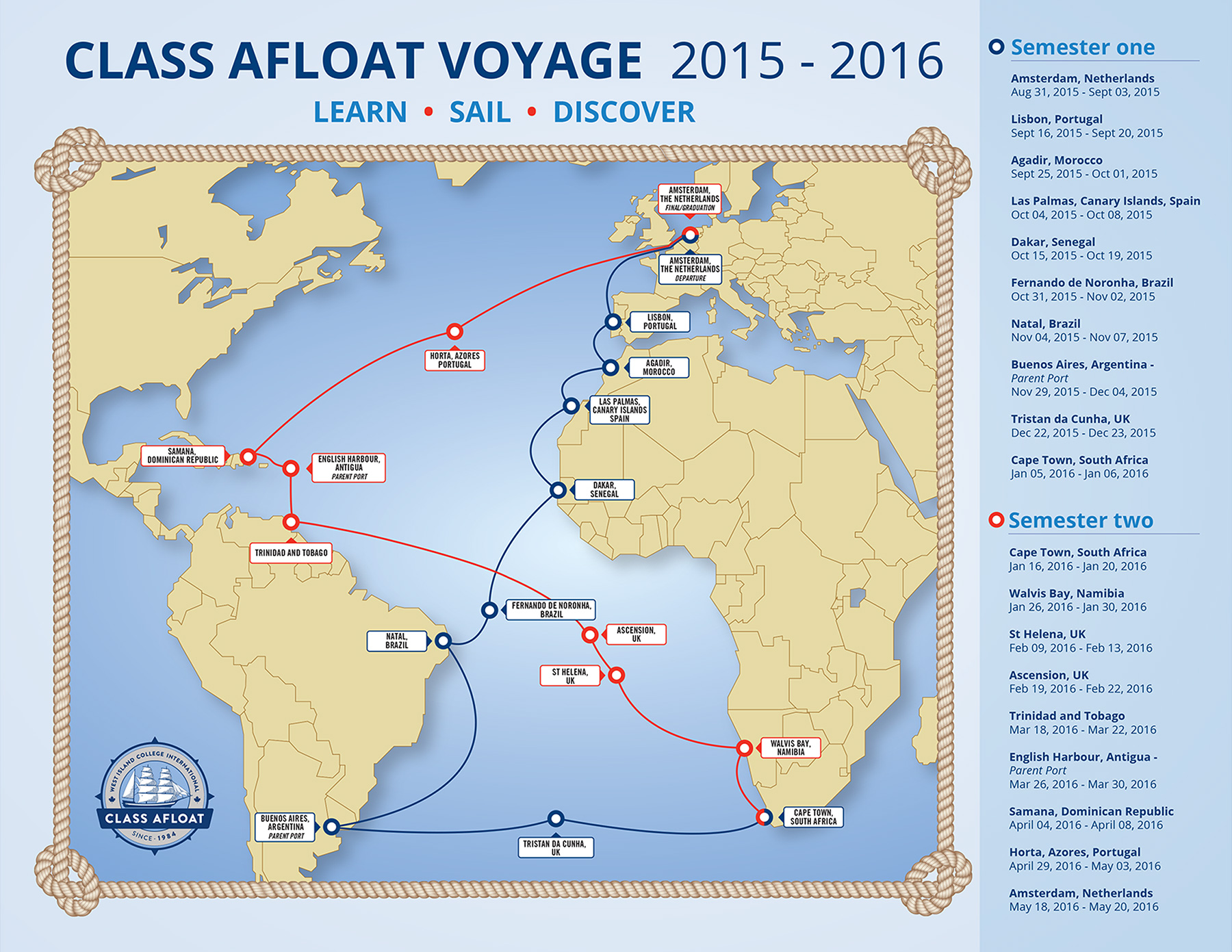


Explore. Dream. Discover.

Welcome to your school year with Class Afloat.

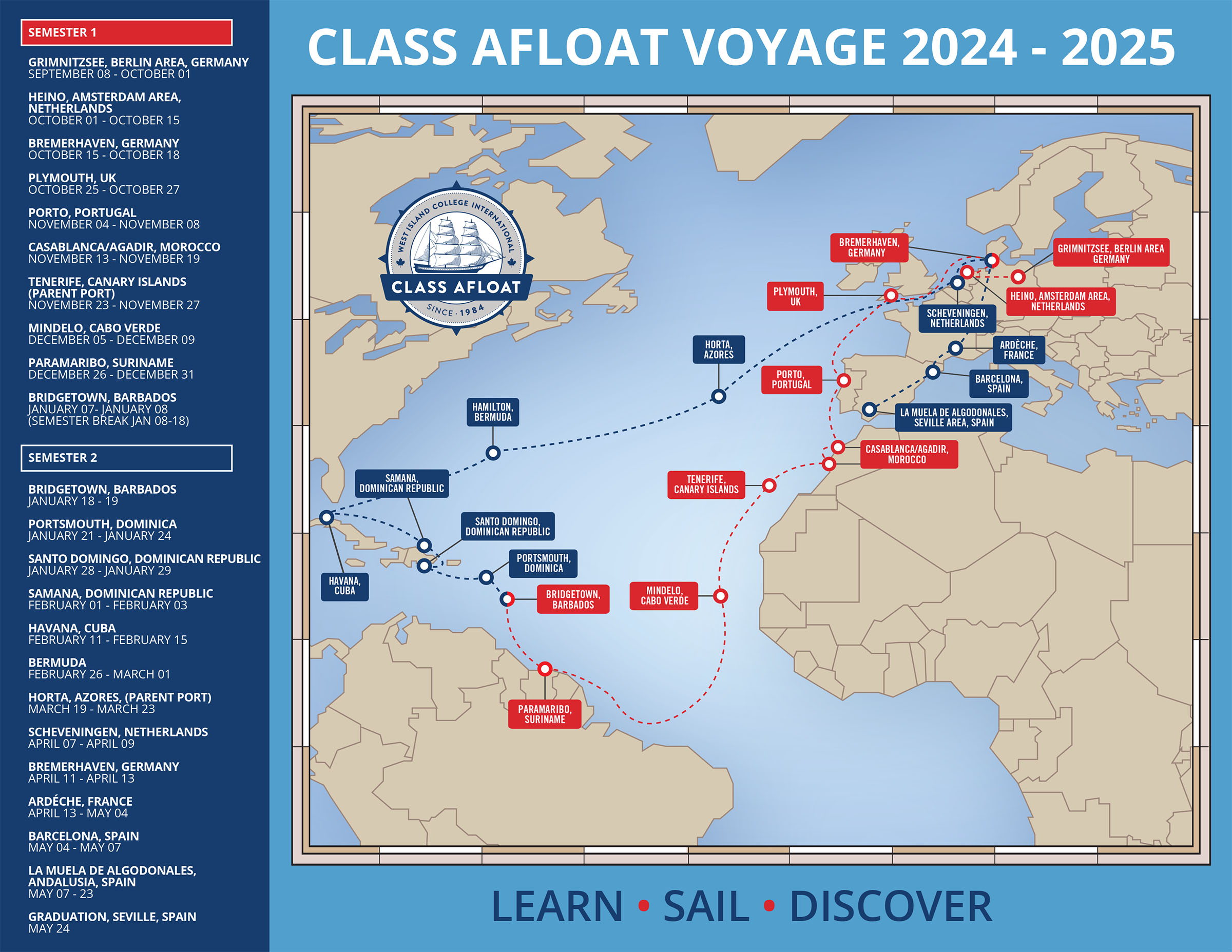
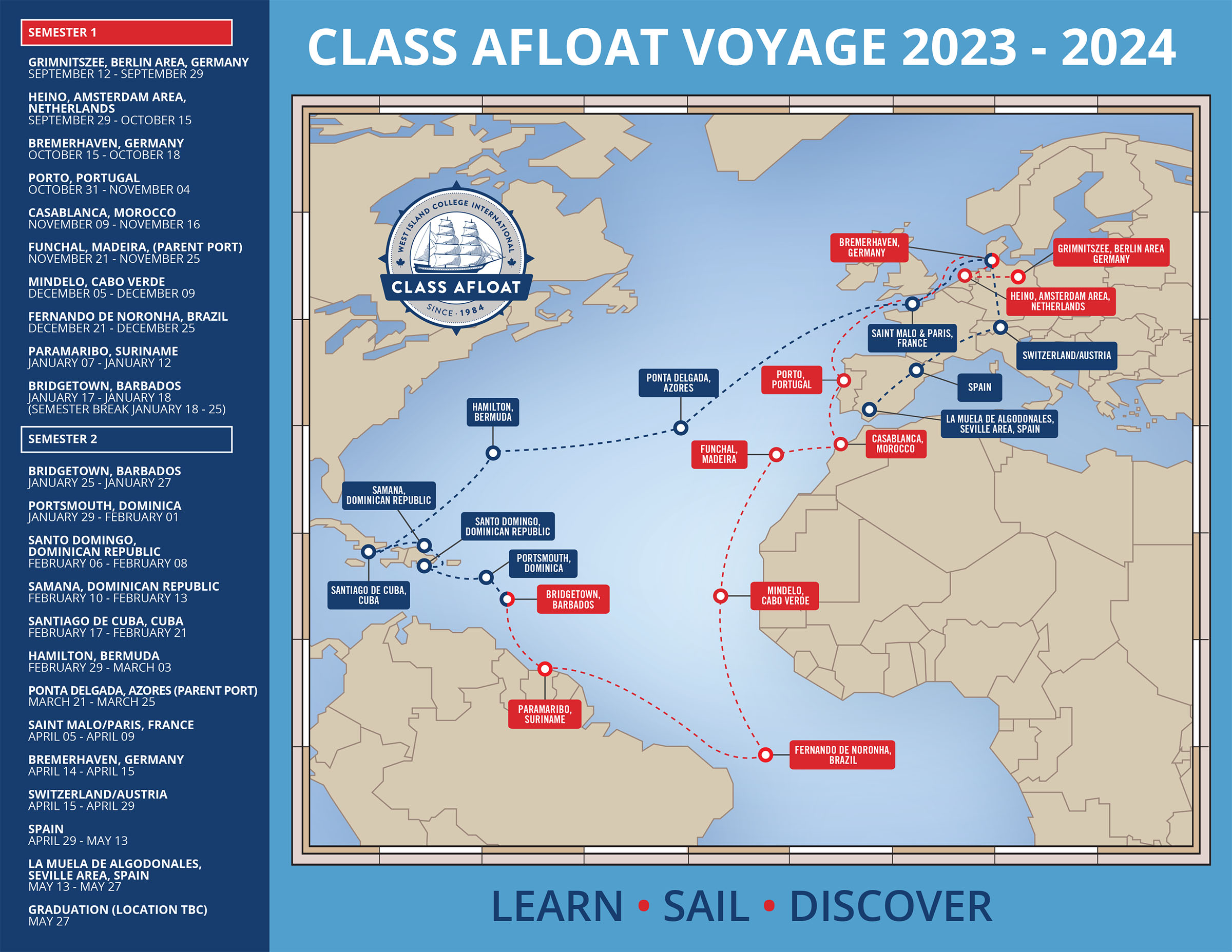
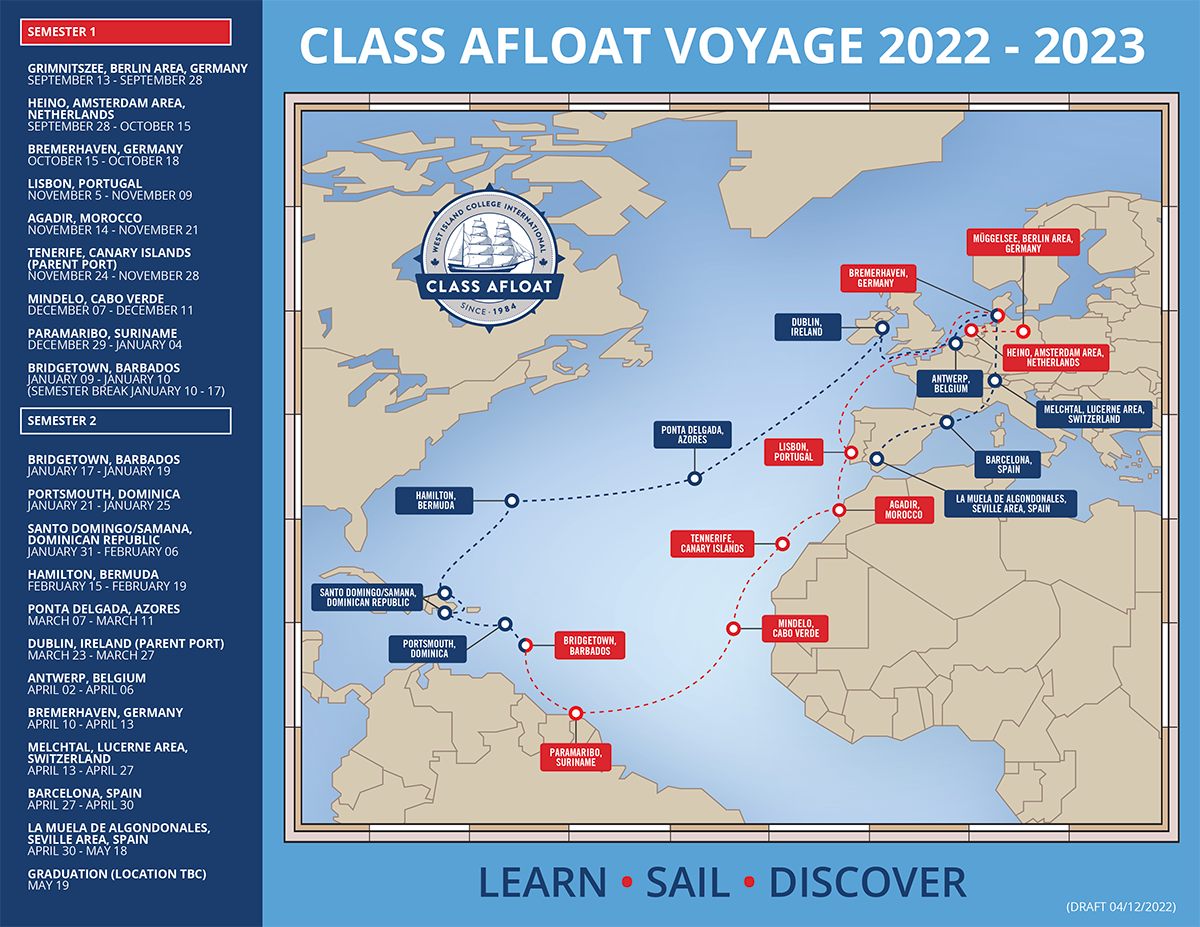
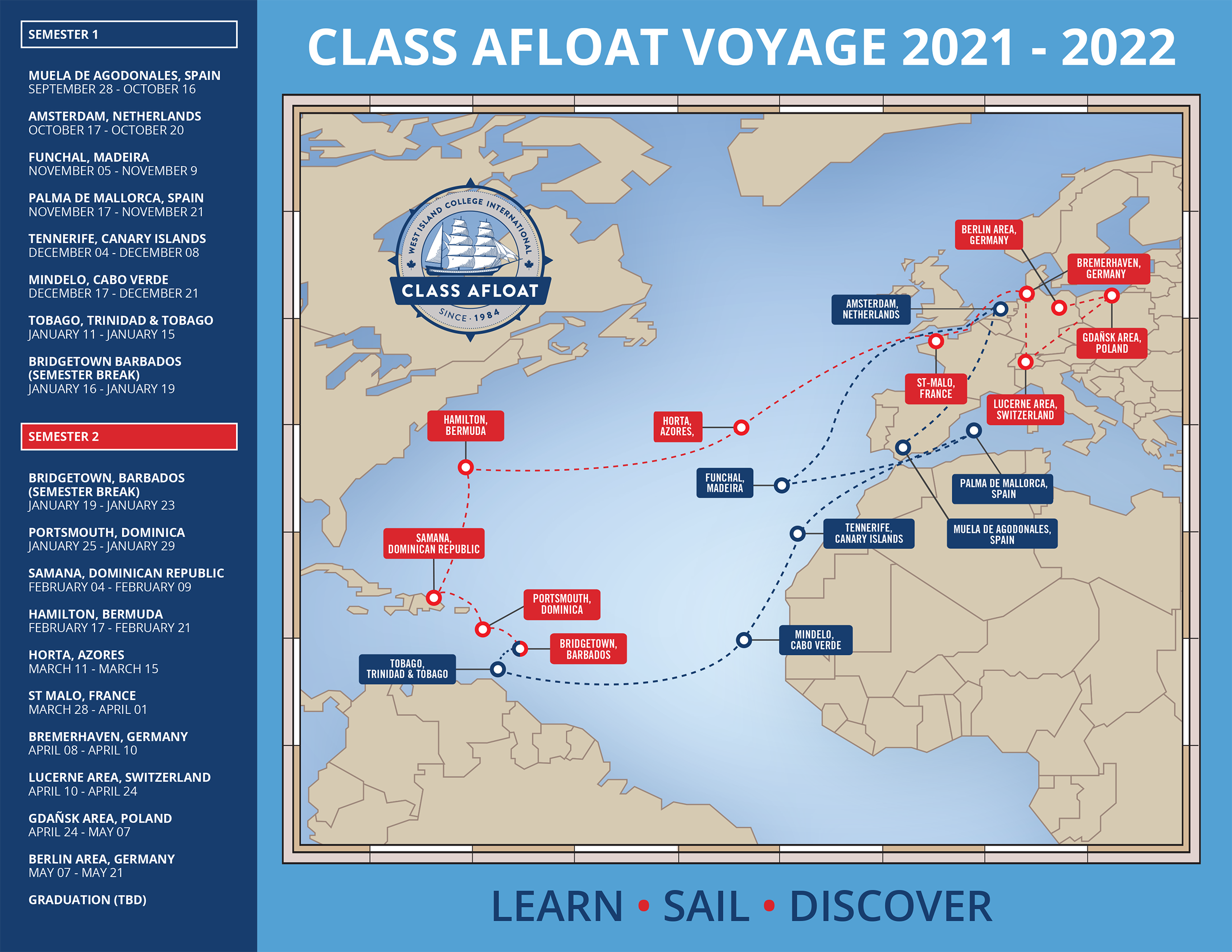
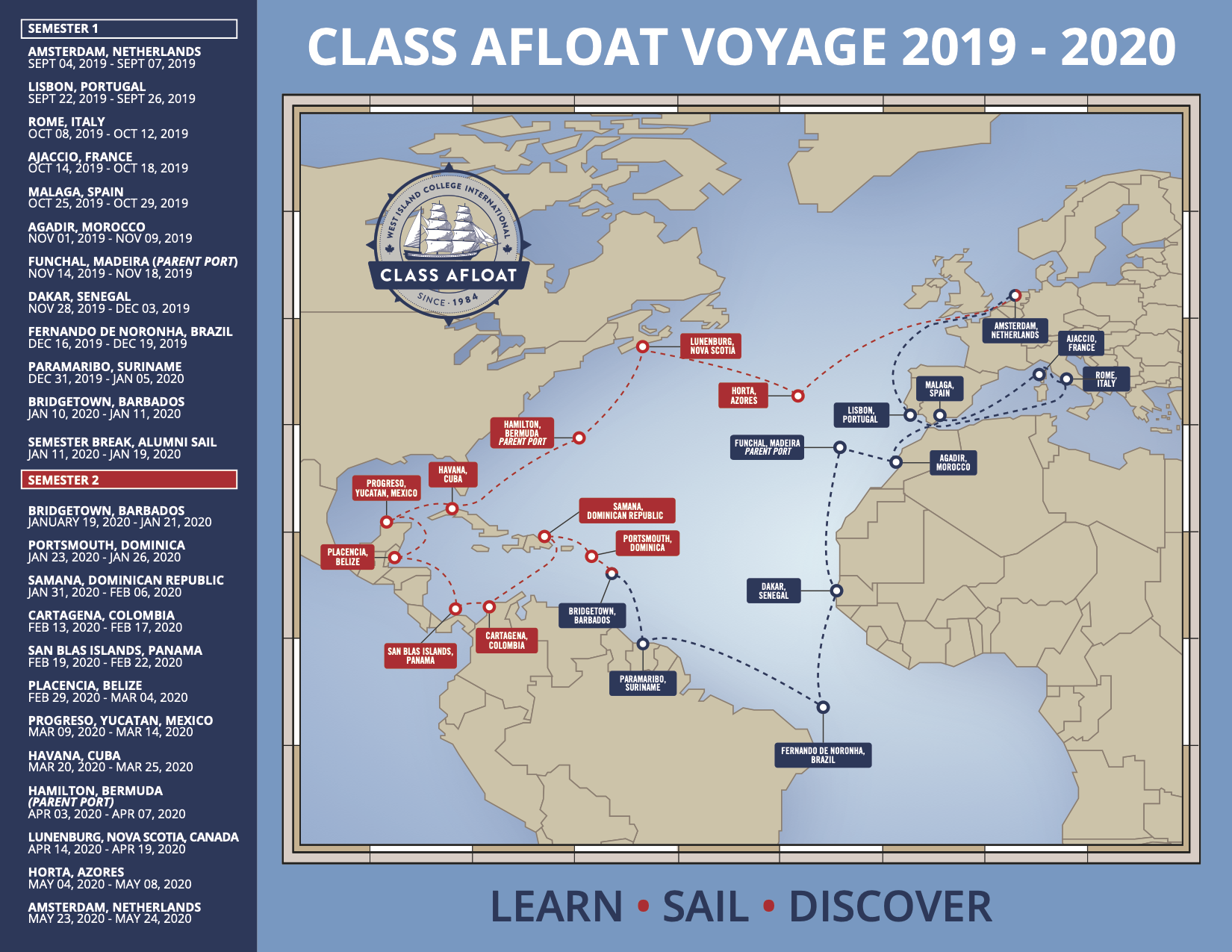
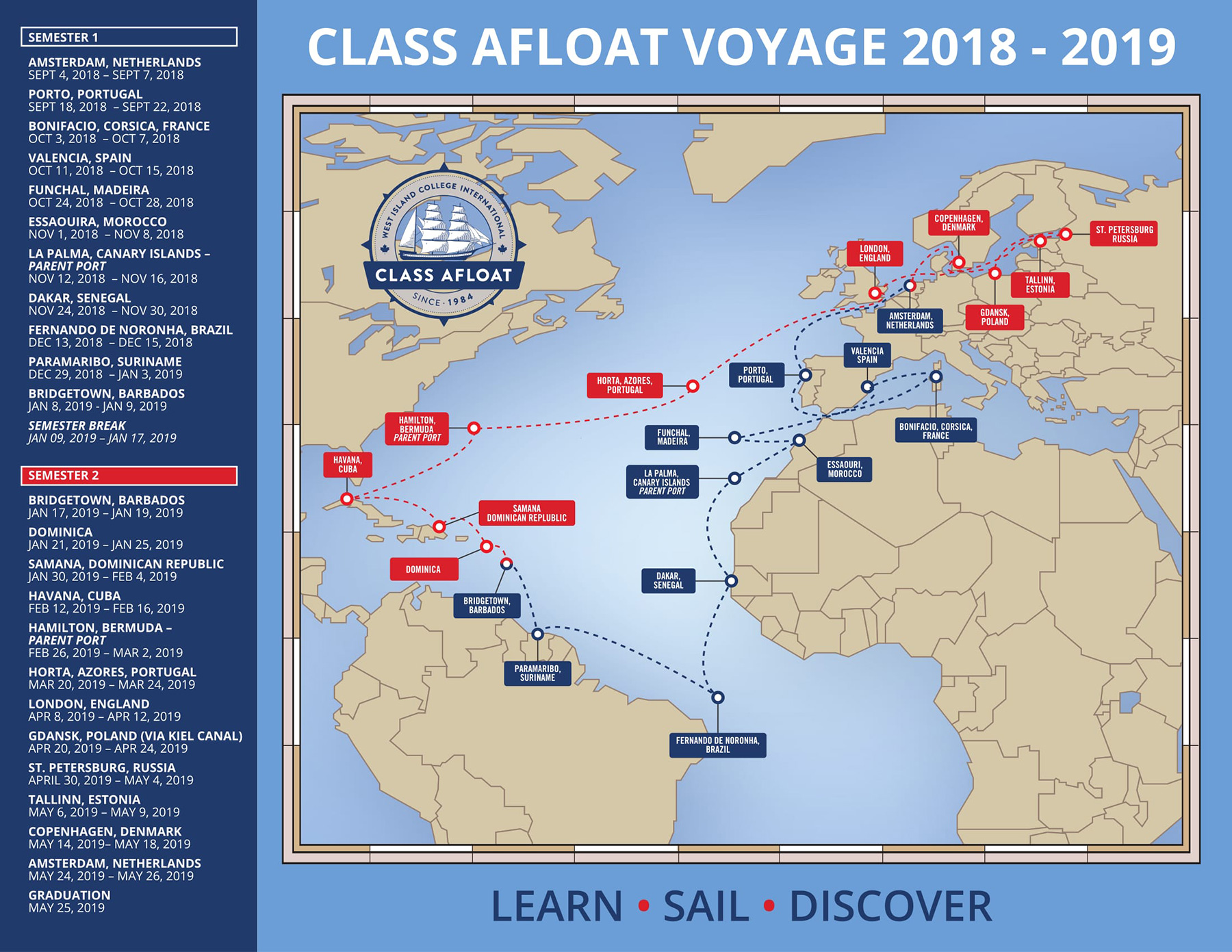
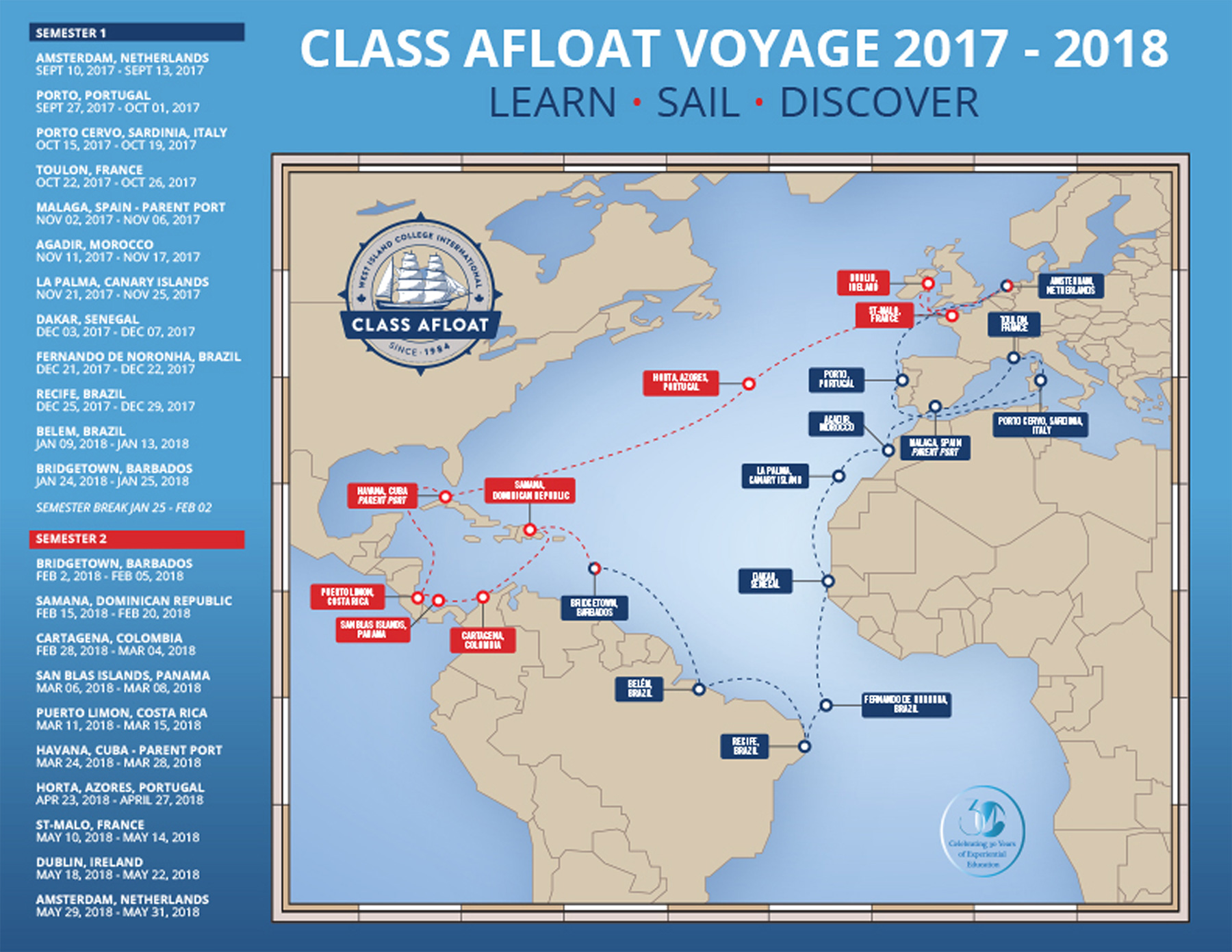
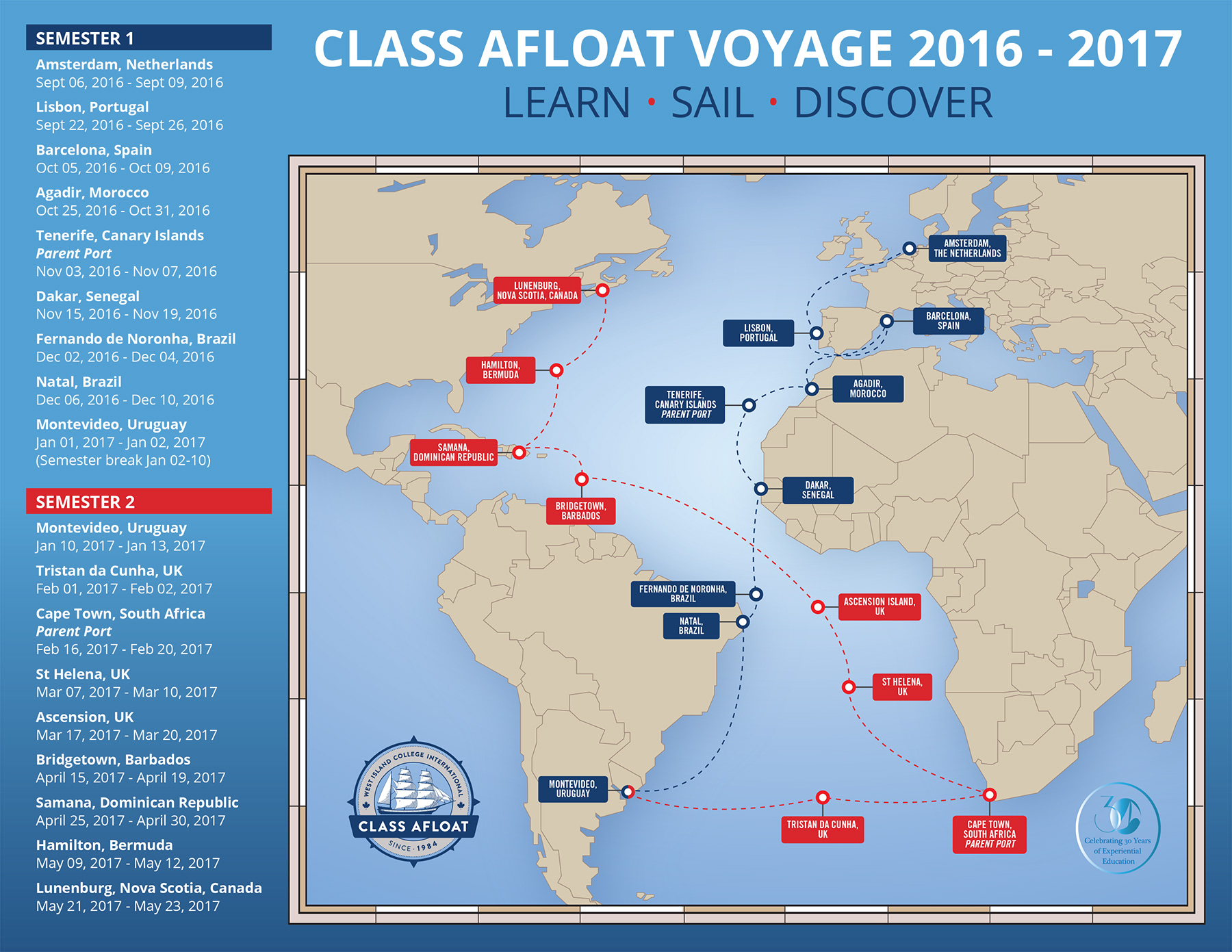
Each year, Class Afloat students visit up to 20 locations on land and at ports of call on 4 continents. Whether exploring on a land program in Europe, or sailing into ports, students participate in experiential programs, designed to showcase the country’s culture and history, while providing students with opportunities to explore the natural landscape.

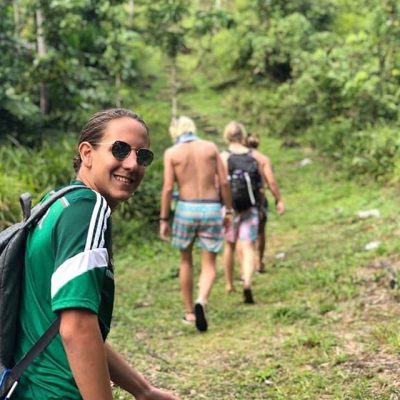
From spending a night in the desert to exploring the colourful streets of Havana, students are given countless opportunities to further their learning, push personal boundaries and immerse themselves at each new port of call.


In addition to classes and organized port programs, students also have time reserved for independent travel and exploration. During shore leave, students are able to leave the ship in groups of 4, with the expectation of returning by curfew. Curfew will be different depending on the port.

Having ventured as far south as Cape Town, South Africa and as far east as St. Petersburg, Russia, each school year is different on board Class Afloat. While no two years are ever the same, our signature ports tend to appear year after year. These include Morocco, Fernando de Noronha (Brazil), Dominican Republic and Senegal.

Scroll down to explore our past and present itineraries.

Your 2025-2026 School Year Semester 1

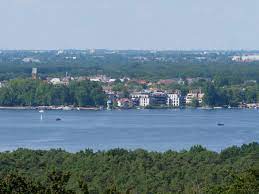
Muggelsee, Germany-a port visited by Class Afloat students during their semester at sea, or full year at sea, travelling and studying abroad.
Grimnitszee is located in the eastern suburbs of the capital, and most populous, city in Germany. Berlin is a city that has seen some of the lowest lows in history, namely the Holocaust, but it is also a city that reinvented itself with the German Expressionist movement in the 20th century. Lunenburg, Nova Scotia, home to the Class Afloat office, has a piece of the Berlin Wall, standing in front of the Royal Canadian Legion. Lunenburg itself was named after a German Duke- The Duke of Braunschweig-Luneburg. While in Berlin, students will have the opportunity to see remnants of the Berlin Wall, The Brandenburg Gate, Museum Island and be surrounded by incredible architecture and history on every street.

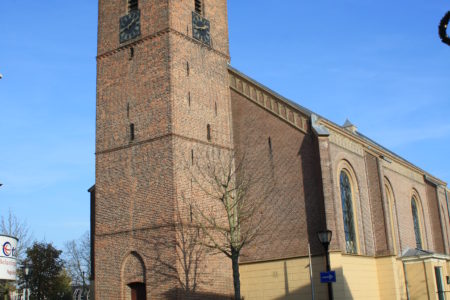
Heino, The Netherlands-a port visited by Class Afloat students during their semester at sea, or full year at sea, while they travel and study abroad.
Less than 90 minutes from Amsterdam, Heino is a village in the Netherlands with over 7,000 inhabitants, beautiful estates, a castle with impressive gardens and unique sculptures, museums and more. While in Heino, students will call Forest Lodge their home and have many opportunities to build their strong community bond before travelling to Bremerhaven to board the Alex II.

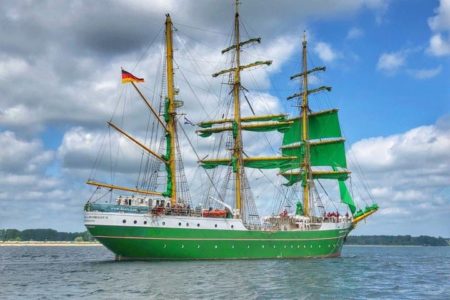
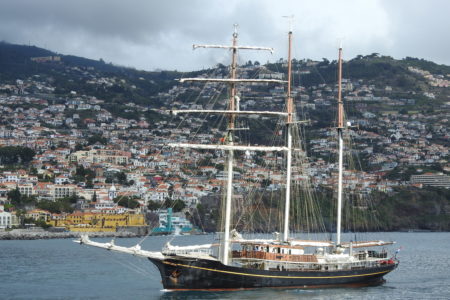
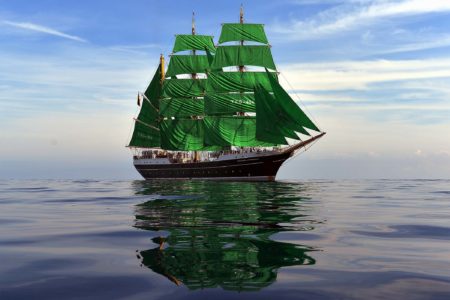
Side view of the Alex II tall ship
Home to the Alexander Von Humboldt II, Bremerhaven, Germany is where students will board the ship for their adventure at sea.

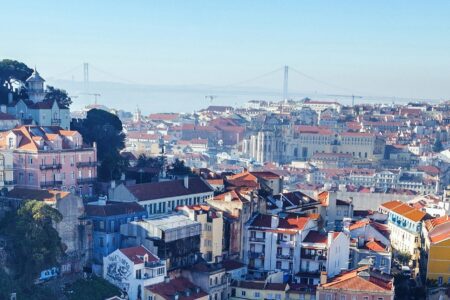
Lisbon
Lisbon, Portugal’s capital, is more than a city of pastel streets and ocean breezes—it’s a living classroom. Its layered history, from Roman ruins to Moorish influences and the Age of Discoveries, offers endless opportunities to study cultural intersections and resilience. The city itself models lifelong learning: centuries-old libraries like the Biblioteca Nacional sit alongside modern innovation hubs and universities shaping global research. Lisbon’s street art tells social and political stories, its tiled façades (azulejos) invite lessons in design and math, and its neighborhoods—Alfama, Bairro Alto, Belém—become case studies in urban development and cultural preservation. For students of any age, Lisbon provides an immersive education where history, language, creativity, and global citizenship converge in daily life.

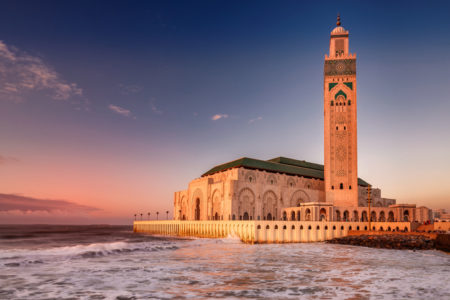
Casablanca Mosque
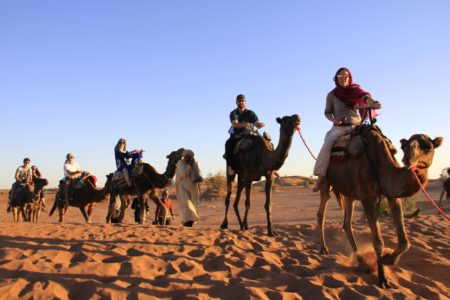
Morocco is a Class Afloat signature port filled with sandy dunes, friendly tour guides and our favourite four legged friends. In Morocco, students will enjoy a camel safari and a night under the stars in the Saharan desert where they will grow closer as a community while experiencing a rich culture and stunning natural environment.

Morocco
Morocco is a Class Afloat signature port filled with sandy dunes, friendly tour guides and our favourite four legged friends. In Morocco, students will enjoy a camel safari and a night under the stars in the Saharan desert where they will grow closer as a community while experiencing a rich culture and stunning natural environment.

Funchal
Funchal, the capital of Madeira, is a vibrant island classroom shaped by nature, history, and culture. Nestled between mountains and the Atlantic, it offers lessons in geography and ecology, from volcanic origins to lush botanical gardens where global plant species thrive. Its markets, like the Mercado dos Lavradores, provide insight into trade, agriculture, and the island’s role in global exchange routes. Walking the cobbled streets reveals architectural influences from centuries of Portuguese exploration and settlement, while the painted doors of the Old Town turn public space into an open-air gallery. Even Madeira’s famed traditions—poncha-making, embroidery, or folk music—invite hands-on learning in craft, cultural heritage, and community. For learners of all ages, Funchal is a reminder that education can be rooted in place: the city itself is a dialogue between land, sea, and human creativity.

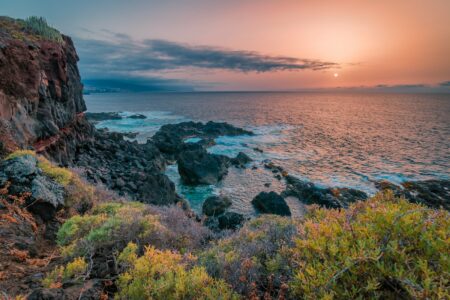
rock formation and shrubs beside sea at daytime
Tenerife is the largest and most populated of the seven Canary Islands, and a spectacular stop on our itinerary. In previous years, students have hiked up El Teide, the world’s third largest volcano. The volcano’s, craters and rock formations are so incredible they have been the backdrop for many famous movies, including Star Wars! Class Afloat students also love to take surf lessons at the famous reef break, the Spanish Left, at Playa de las Americas.

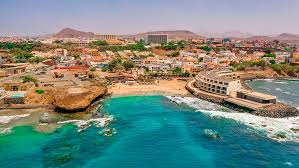
Praia
Praia, the capital of Cabo Verde, is a city where the Atlantic meets Africa and where learning happens at every corner. Its streets, music, and markets teach about cultural fusion, migration, and resilience—shaped by centuries of trade, colonization, and independence. Students of history find living lessons in Cidade Velha, the former capital and UNESCO World Heritage site, where cobblestones and fortresses recall the earliest chapters of the transatlantic exchange. The rhythms of morna and funaná become entry points into studying identity, language, and storytelling, while the vibrant Plateau district showcases contemporary art, politics, and civic life. Even the geography—volcanic islands scattered in the mid-Atlantic—invites inquiry into climate, sustainability, and island ecosystems. In Praia, education extends beyond classrooms: the city itself is a curriculum in resilience, culture, and global connection.

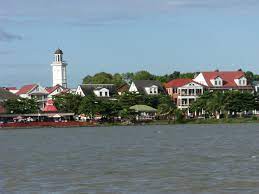
Paramaribo, Suriname-a port visited by Class Afloat students during their semester at sea, or full year at sea, while they travel and study abroad.
Located on the banks of the Suriname River, students will have the chance to explore the ornate wooden Dutch colonial buildings of Paramaribo and tour the Amazon, learning from local guides about the medicinal properties of jungle plants. Crew members will also have the chance to ride on long, motorized canoes on the Upper Suriname River in the hopes of spotting caimans. Keep your eyes peeled!

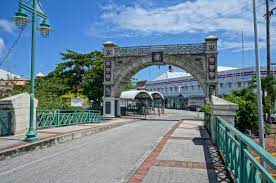
Bridgetown, Barbados-a port visited by Class Afloat students during their semester at sea, or full year at sea, while they travel and study abroad.
Bridgetown, Barbados, the island's largest and most vibrant city. This historic city is now recognized as a UNESCO World Heritage Site, with plenty for our adventurous students to explore. Our crew will reunite in the spectacular city of Bridgetown after their semester break. They will spend a couple of days exploring the city, getting to know our new semester two students and reorienting themselves with safety and sail training sessions before departing for the second half of our year at sea.

Penelope Sailing Blog 1
And BREAK! During the break between semesters, students do not stay on board the ship. Some students will return home to visit with friends and family, others will continue their travels until the start of Semester Two at sea!

Your 2025-2026 School Year Semester 2

Bridgetown, Barbados-a port visited by Class Afloat students during their semester at sea, or full year at sea, while they travel and study abroad.
After the break, full-year students will return to their ship while second semester students will be welcomed on board their new home. Following introductions and orientation for our students, we'll make swift departure to our first port of call.

Portsmouth, Dominica-a port visited by Class Afloat students, during their semester at sea, or full year at sea, of travel and studying abroad.
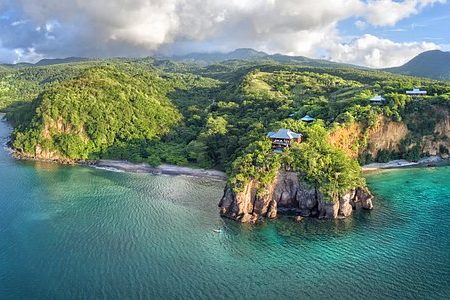
The island of Dominica is host to sperm whales, a variety of flora and fauna and the world’s largest hot spring (Boiling Lake). The youngest island in the Lesser Antilles, it is still being formed by geothermal-volcanic activity. The island is surrounded by lush mountainous rainforests and is often referred to as the “Nature Island of the Caribbean". During our port stay in Dominica, students will get to experience nature at its best and most pristine. With a bit of luck, they may even catch a glimpse of the elusive Sisserou Parrot, Dominica’s national bird that can only be found on the island.

Dominican Republic
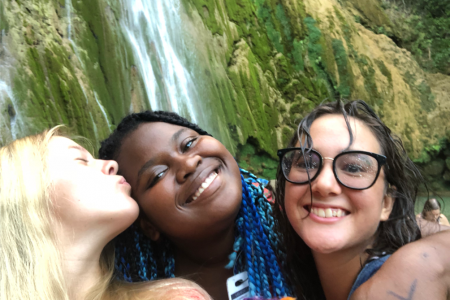
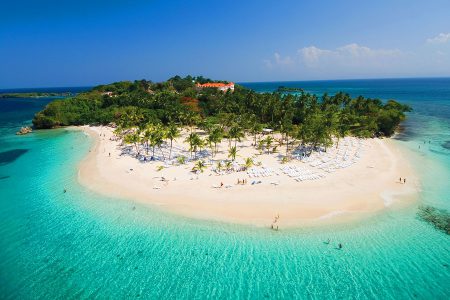
During their time in the DR, students will work closely alongside the Fundacion Mahatma Gandhi-Las Terrenas, a community volunteer service organization that works in educational and community development. Students will have a chance to hike to (and swim in) the gorgeous El Limon waterfall before heading to Las Terranes where they will meet their host family.

Samana
During their time in the DR, students will work closely alongside the Fundacion Mahatma Gandhi-Las Terrenas, a community volunteer service organization that works in educational and community development. Students will have a chance to hike to (and swim in) the gorgeous El Limon waterfall.

two cars parked outside building
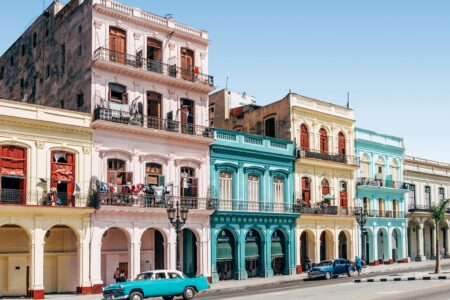
Salsa dancing anyone? During Semester Two, our students will have the chance to explore Havana, the bustling capital of Cuba! Founded by the Spanish in the 16th century, this cultural hub is Cuba’s largest city and, while it was once the Caribbean’s main centres for ship-building, is best known today for its vibrant history, culture and architecture. Not to be missed are awe-inspiring buildings like El Capitolio, historic landmarks like Revolution Square and colourful cars lining the streets. Havana was declared a UNESCO World Heritage Site in 1982.

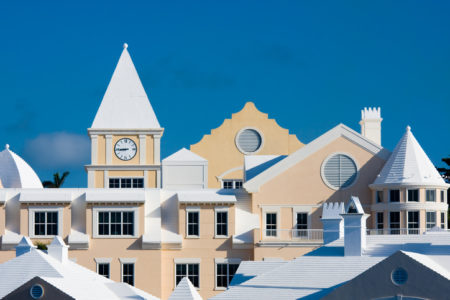
The Tops Of Beige Condominiums In Bermuda
From wandering the streets of Hamilton or St. George's to visiting the Royal Navy Dockyards or walking the Railway Trail, there's no shortage of things to see and do in beautiful Bermuda.

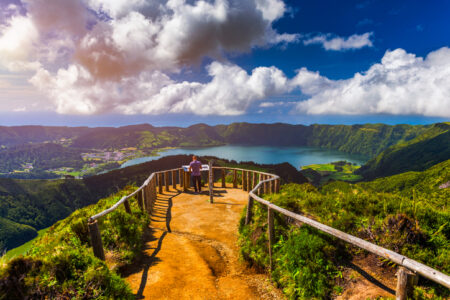
Beautiful View Of Santiago Lake
Ponta Delgada, the largest city in the Azores, is a living lesson in how humans and nature shape one another. Surrounded by volcanic lakes, geothermal fields, and the vast Atlantic, it offers unique opportunities to study geology, oceanography, and sustainability firsthand. Its whitewashed churches, black basalt streets, and 16th-century architecture reveal the history of Portuguese settlement and Atlantic navigation, while the city’s museums and university connect this heritage to modern research in marine sciences and renewable energy. Everyday life in Ponta Delgada—whether at the lively Mercado da Graça or along the marina—teaches about island economies, migration, and cultural exchange. Even its traditions, from Azorean cuisine to religious festivals, embody lessons in resilience and community. For learners, Ponta Delgada is both a gateway to the natural laboratory of the Azores and a reminder that education thrives where land, sea, and culture converge.

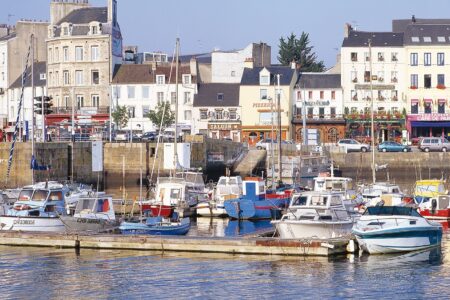
Cherbourg
Cherbourg, perched on France’s Normandy coast, is a city where maritime history and cultural exchange become part of the curriculum. Its harbor—once a strategic naval base and now home to La Cité de la Mer—offers immersive lessons in ocean exploration, naval engineering, and marine biology. The city’s role in World War II, including its liberation after D-Day, makes it a powerful site for studying resilience, strategy, and the human impact of conflict. Walking its streets, students encounter layers of architecture that tell stories of industry, rebuilding, and everyday life by the sea. Cherbourg is also a living laboratory for geography and environmental studies: the tides, cliffs, and surrounding landscapes illustrate the dynamic relationship between humans and coastlines. For learners of all ages, Cherbourg demonstrates how one port city can hold the keys to understanding history, innovation, and our connection to the ocean.

Alex II
Home to the Alexander Von Humboldt II, Bremerhaven, Germany-students will disembark the ship and begin their land-based travels of semester 2.

Melchtal
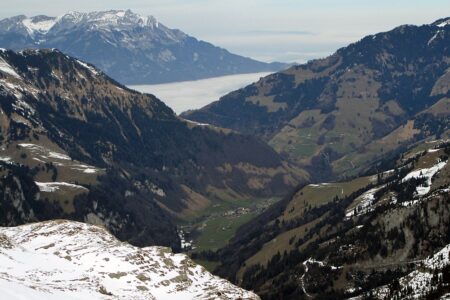
Melchtal, nestled in the Swiss Alps, is a valley where nature itself becomes the classroom. Surrounded by towering peaks, alpine meadows, and winding trails, it offers firsthand lessons in ecology, geography, and the rhythms of mountain life. The valley’s pastoral traditions—cheese-making, farming, and seasonal transhumance—invite reflection on sustainability and cultural heritage. Local legends and folklore, tied to the land, provide rich material for exploring identity, storytelling, and community resilience. For those studying spirituality or contemplative practice, the quiet of Melchtal’s monasteries and retreat centers turns the landscape into a place of inner learning as much as outward exploration. Whether approached through science, culture, or reflection, Melchtal demonstrates how education can be rooted in place, reminding learners that mountains teach patience, perspective, and interconnection.

Ardeche
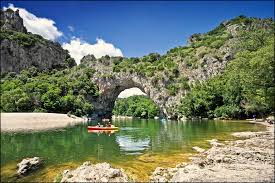
Ardèche, in southeastern France, is a region where landscapes, history, and culture come together as a vast open-air classroom. Its dramatic gorges and limestone caves—like the Chauvet-Pont-d’Arc, home to some of the world’s oldest known cave paintings—offer unparalleled lessons in geology, archaeology, and early human creativity. The winding Rhône and Ardèche rivers make the area a natural laboratory for studying ecosystems, water systems, and outdoor adventure as education. Villages with stone houses and lively markets invite exploration of rural traditions, gastronomy, and community life, while local crafts and winemaking demonstrate the interplay between environment and culture. From prehistoric art to contemporary sustainability practices, Ardèche teaches learners that education is both rooted in the past and evolving in the present.

aerial photography of vehicles passing between high rise buildings
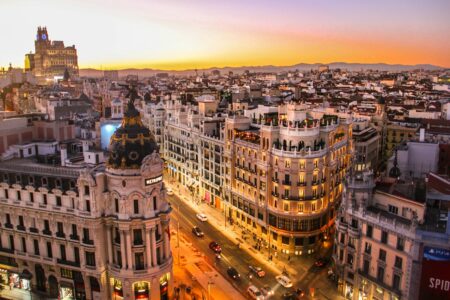
Barcelona, perched between the Mediterranean Sea and the Collserola hills, is a city that teaches through its art, architecture, and vibrant public life. Its streets are a living gallery: Gaudí’s whimsical creations, Gothic quarter alleyways, and contemporary urban design offer lessons in history, geometry, and creativity. Markets like La Boqueria provide insights into culture, economics, and gastronomy, while the city’s festivals and music traditions showcase social cohesion and cultural identity in action. Barcelona’s commitment to public spaces, bike lanes, and sustainable initiatives makes it an engaging case study in urban planning and environmental awareness. From the beaches to the museums, the city demonstrates how learning extends beyond classrooms: here, curiosity, innovation, and human connection are everywhere, inviting learners to explore, observe, and reflect.

La Muela De Algondonales, Seville Area, Spain-a port visited by Class Afloat students, while they travel and study abroad.
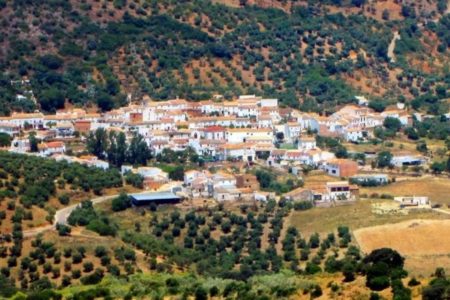
La Muela de Algodonales, a small village perched in the hills of Andalusia, offers a unique classroom in culture, geography, and rural life. Its terraced landscapes and olive groves provide lessons in sustainable agriculture, land management, and the rhythms of seasonal work. The village’s whitewashed streets and traditional architecture reveal centuries of Moorish and Spanish influence, perfect for studying history, design, and regional identity. Local crafts, festivals, and gastronomy invite hands-on learning about community traditions and cultural continuity, while the surrounding mountains offer natural lessons in geology, biodiversity, and ecological balance. In La Muela de Algodonales, education is woven into daily life: every path, harvest, and festival is an opportunity to observe, reflect, and connect with the land and its people.

Seville, Spain
Graduation will be held in Seville, Spain.

Your 2026-2027 School Year Semester 1

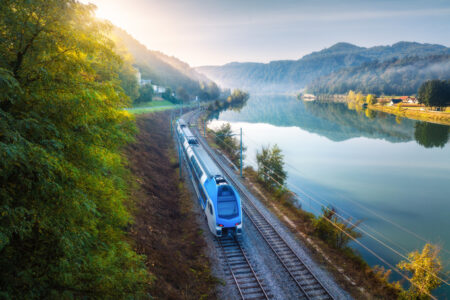
Aerial View Of Blue Modern High Speed Train Moving Near River In Alpine Mountains In Fog At Sunrise In Autumn. Top View Of Train, Railroad, Lake, Reflection, Trees In Fall. Railway Station In Slovenia
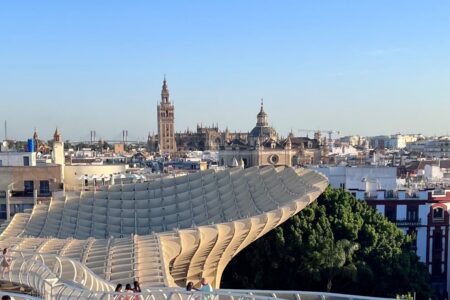
Ávila, located near the Madrid area, is notable for its well-preserved medieval architecture and historical significance. The city’s iconic Ávila City Walls and numerous Romanesque and Gothic churches offer insight into medieval urban planning, defense, and religious life. Ávila’s rich cultural and artistic heritage, along with its connection to figures like Saint Teresa of Ávila, provides opportunities to explore Spanish history, spirituality, and literature, making it a compelling destination for understanding the historical and cultural development of the region.

Salamanca, Spain
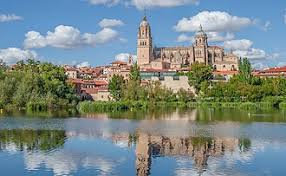
Salamanca in Spain is renowned for its rich academic and cultural heritage. The city is home to the University of Salamanca, one of the oldest universities in Europe, offering insight into the history of education, scholarship, and intellectual life. Its historic architecture, including the Plaza Mayor and the stunning cathedrals, illustrates Renaissance and Baroque design, while the city’s literary and cultural traditions provide a deeper understanding of Spanish language, art, and society. The combination of educational, historical, and cultural experiences makes Salamanca a rich site for exploration and learning.

Porto
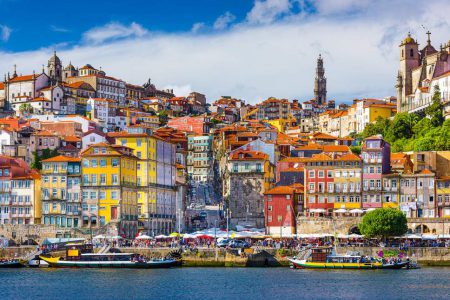
Porto is the second largest city in Portugal and is best known for its cobbled streets, stunning bridges and production of delicious port wine. As part of our port program, students will tour a Port Cellar and while they won’t be drinking any Port (rules are rules) students will sample a taste of Fado, a musical genre that originates from Lisbon and can be traced back to the 1820s. Students will also enjoy a walking tour of the old city and time to explore the famous Ribeira district, filled with buzzing restaurants, shops and cafes.

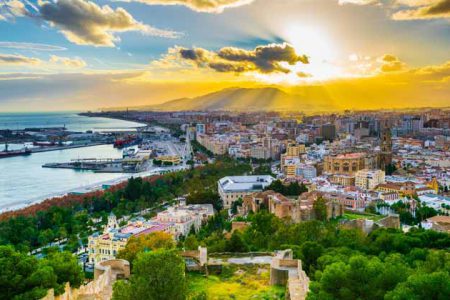
Malaga
Málaga, perched on the Costa del Sol, is a city where history, art, and innovation converge into a vibrant learning environment. Its ancient Alcazaba fortress, Roman theatre, and Moorish architecture offer lessons in history, engineering, and cultural exchange, while the Picasso Museum connects students to art, creativity, and personal expression. Bustling markets, like Mercado Central de Atarazanas, teach about gastronomy, trade, and local traditions, and the city’s urban beaches and port illustrate geography, ecology, and the human relationship with the sea. Festivals, flamenco performances, and artisan workshops provide hands-on insight into Andalusian culture, music, and craftsmanship. In Málaga, education extends beyond classrooms: the city itself becomes a space for curiosity, observation, and immersive learning, blending past, present, and creative possibility.

Casablanca Mosque
Our crew will leave their ship behind for a 4-day trek into the Sahara Desert, crossing the Atlas Mountains, and stopping in ancient villages along the way. In the desert, we will form a Class Afloat camel train for a safari into the Sahara. Upon arrival at a Bedouin desert camp, students will be treated to dinner and an evening of dancing around the bonfire before settling into a night under the desert stars. Long before dawn, we will climb the tallest sand dune to watch the sunrise over the Sahara – an incredible lifelong memory.

rock formation and shrubs beside sea at daytime
Tenerife is the largest and most populated of the seven Canary Islands, and a spectacular stop on our itinerary. In previous years, students have hiked up El Teide, the world’s third largest volcano. The volcano’s, craters and rock formations are so incredible they have been the backdrop for many famous movies, including Star Wars! Class Afloat students also love to take surf lessons at the famous reef break, the Spanish Left, at Playa de las Americas.

Praia
Mindelo in Cape Verde offers rich educational value through its unique blend of natural, cultural, and historical features. Its coastal setting provides opportunities to learn about island geography, marine ecosystems, and environmental sustainability, while the city’s vibrant arts scene—highlighted by music, literature, and events like the Carnival of Mindelo—supports understanding of cultural expression and heritage. In addition, Mindelo’s history as a port city offers insight into trade, migration, and global connections, making it a meaningful place to explore topics related to society, environment, and cultural diversity.

Paramaribo, Suriname-a port visited by Class Afloat students during their semester at sea, or full year at sea, while they travel and study abroad.
Located on the banks of the Suriname River, students will have the chance to explore the ornate wooden Dutch colonial buildings of Paramaribo and tour the Amazon, learning from local guides about the medicinal properties of jungle plants. Crew members will also have the chance to ride on long, motorized canoes on the Upper Suriname River in the hopes of spotting caimans. Keep your eyes peeled!

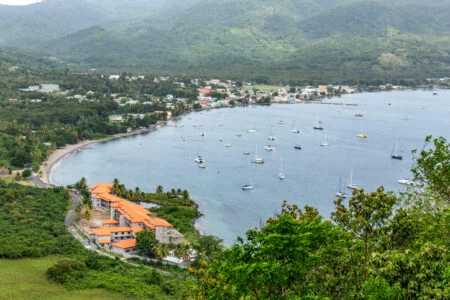
View From Fort Shirley To Pourtsmouth At Cabrits National Park At The Carribean Island Of Dominica
The island of Dominica is host to sperm whales, a variety of flora and fauna and the world’s largest hot spring (Boiling Lake). The youngest island in the Lesser Antilles, it is still being formed by geothermal-volcanic activity. The island is surrounded by lush mountainous rainforests and is often referred to as the “Nature Island of the Caribbean". During our port stay in Dominica, students will get to experience nature at its best and most pristine. With a bit of luck, they may even catch a glimpse of the elusive Sisserou Parrot, Dominica’s national bird that can only be found on the island.

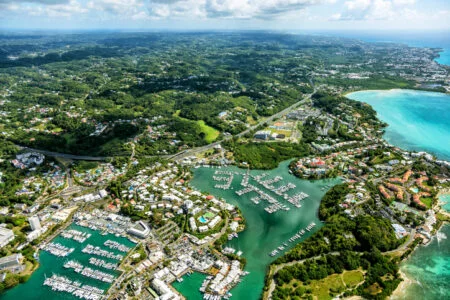
Aerial View Of Marina Bas Du Fort, Pointe à Pitre, Grande Terre, Guadeloupe, Lesser Antilles, Caribbean.
Pointe-à-Pitre in Guadeloupe offers strong educational value through its blend of cultural, historical, and environmental features. As a major Caribbean port city, it provides insight into colonial history, trade, and the lasting impacts of the transatlantic slave trade, particularly through sites like the Memorial ACTe. The surrounding coastal and tropical environments support learning about marine ecosystems, biodiversity, and climate, while the city’s vibrant markets, Creole culture, and French influences offer opportunities to explore language, identity, and cultural diversity in a real-world context.

Your 2026-2027 School Year Semester 2

Aerial View Of Marina Bas Du Fort, Pointe à Pitre, Grande Terre, Guadeloupe, Lesser Antilles, Caribbean.
Pointe-à-Pitre in Guadeloupe offers strong educational value through its blend of cultural, historical, and environmental features. As a major Caribbean port city, it provides insight into colonial history, trade, and the lasting impacts of the transatlantic slave trade, particularly through sites like the Memorial ACTe. The surrounding coastal and tropical environments support learning about marine ecosystems, biodiversity, and climate, while the city’s vibrant markets, Creole culture, and French influences offer opportunities to explore language, identity, and cultural diversity in a real-world context.

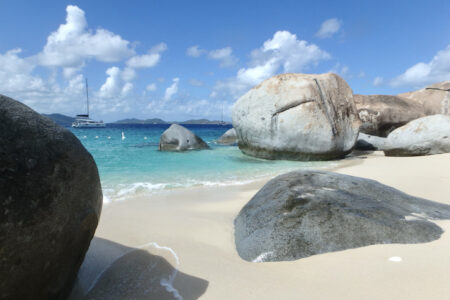
Catamaran Anchored At The Baths, Bvi
Road Town and Virgin Gorda in the British Virgin Islands offer meaningful educational value through their natural environments, history, and cultural context. Road Town, as the capital, provides insight into government, trade, and the role of small island economies, while also reflecting the historical influences of colonization in the Caribbean. Virgin Gorda is known for its unique geological formations, particularly The Baths, which support learning about geology, coastal processes, and marine ecosystems. Together, these locations offer opportunities to explore biodiversity, sustainability, and Caribbean culture, while also highlighting the environmental and economic challenges faced by island communities.

Dominican Republic
Santo Domingo, the capital of the Dominican Republic, is a city where history, culture, and urban life converge into a rich learning environment. Its Colonial Zone—the oldest European settlement in the Americas—offers lessons in architecture, early colonial history, and cultural exchange. Museums, plazas, and historic streets invite exploration of art, politics, and social development over centuries. The city’s vibrant markets, music, and festivals provide hands-on insight into Dominican culture, identity, and community traditions. Santo Domingo’s modern neighborhoods, alongside its historic sites, create a living laboratory for studying urban planning, economics, and sustainability. Here, education extends beyond textbooks: the city itself becomes a space to observe, reflect, and engage with the interwoven stories of land, people, and history.

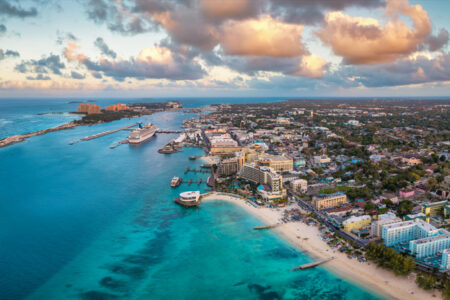
Aerial Sunset View Of Nassau Town And Harbour With Junkanoo Beach At The Western Esplanade
Nassau in The Bahamas provides a diverse setting for educational exploration through its combination of history, environment, and culture. The city’s past, including its colonial roots and connections to piracy, can be seen in landmarks such as Fort Charlotte, offering insight into how the island developed over time. Its surrounding waters and coral reef systems create opportunities to understand marine life, ecosystems, and conservation efforts. At the same time, Nassau’s blend of African and British influences is reflected in its traditions, language, and daily life, allowing for a deeper appreciation of cultural identity in the Caribbean.

The Tops Of Beige Condominiums In Bermuda
From wandering the streets of Hamilton or St. George's to visiting the Royal Navy Dockyards or walking the Railway Trail, there's no shortage of things to see and do in beautiful Bermuda.

Beautiful View Of Santiago Lake
Ponta Delgada, the largest city in the Azores, is a gateway to learning where nature, history, and culture intersect. Surrounded by volcanic landscapes, crater lakes, and the Atlantic Ocean, it offers lessons in geology, ecology, and sustainable island living. Its historic center, with churches, fortifications, and traditional architecture, provides insight into Portuguese settlement and Atlantic navigation. Markets, festivals, and local crafts illustrate community life, social traditions, and cultural continuity, while the city’s universities and research centers connect learners to modern science and innovation. In Ponta Delgada, education extends beyond classrooms: every street, shoreline, and festival becomes an opportunity to explore, observe, and reflect on the interconnection of people, place, and environment.

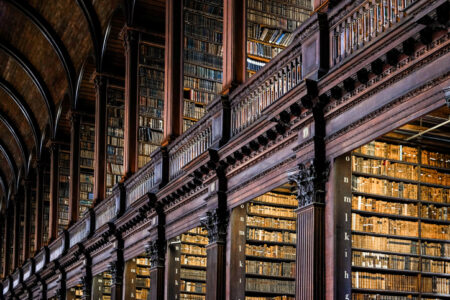
Low Angle View Of Books On Shelves In Long Room Of Trinity College Old Library In Dublin.
Dublin, Ireland’s capital, is a city where history, literature, and innovation come together as a living classroom. Its cobblestone streets, medieval castles, and Georgian squares offer lessons in architecture, urban development, and European history. The city’s rich literary heritage—from the works of James Joyce to contemporary writers—invites exploration of storytelling, language, and cultural identity. Museums, theaters, and public libraries provide insight into art, politics, and social change, while vibrant markets, music, and festivals reveal traditions, community life, and creative expression. Dublin’s mix of historic neighborhoods and modern innovation hubs makes it a place where learners can study both the past and present, observing how people, culture, and place continually shape one another.

Alex II
Home to the Alexander Von Humboldt II, Bremerhaven, Germany-students will disembark the ship and begin their land-based travels of semester 2.

Aerial View Of Blue Modern High Speed Train Moving Near River In Alpine Mountains In Fog At Sunrise In Autumn. Top View Of Train, Railroad, Lake, Reflection, Trees In Fall. Railway Station In Slovenia
Enkhuizen in the Netherlands offers a distinctive setting for educational exploration through its strong maritime history and well-preserved heritage. Once a key port during the Dutch Golden Age, the city provides insight into trade, navigation, and economic development, particularly through attractions like the Zuiderzee Museum, which showcases traditional life around the former Zuiderzee. Its location along the IJsselmeer also supports learning about water management, land reclamation, and environmental adaptation, while the city’s architecture and cultural traditions reflect the broader history and identity of the Netherlands.

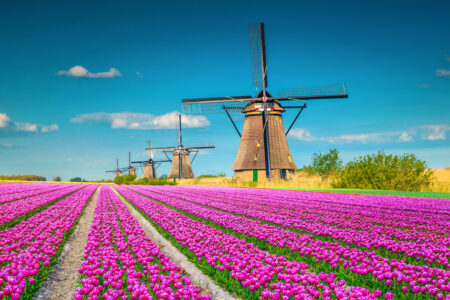
Amazing Tulip Fields And Wooden Windmills In Background, Kinderdijk, Netherlands
Kinderdijk in the Netherlands is renowned for its historic network of windmills, offering a distinctive glimpse into Dutch innovation and engineering. As a UNESCO World Heritage Site, Kinderdijk illustrates how communities historically managed water and reclaimed land, providing lessons in sustainability and adaptation. The site also reflects Dutch cultural heritage and daily life in earlier centuries, showing how people lived in harmony with the challenges of a low-lying landscape.

Cologne in Germany offers a rich setting for learning through its combination of history, culture, and urban development. The city’s iconic Cologne Cathedral provides insight into medieval architecture, religious history, and artistic achievement, while museums such as the Roman-Germanic Museum reveal Cologne’s Roman roots and archaeological heritage. Its location along the Rhine River also highlights trade, transportation, and city planning, and the city’s vibrant arts and cultural scene offers opportunities to explore contemporary German culture, traditions, and identity.

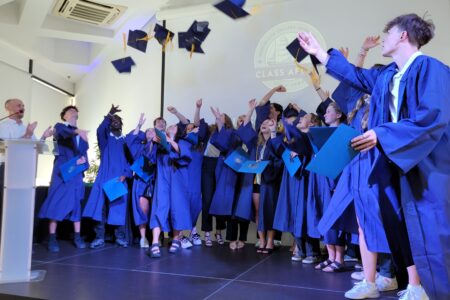
Graduation
Frankfurt in Germany presents a dynamic setting for learning through its blend of history, commerce, and culture. Known as a major financial hub, the city provides insight into banking, trade, and urban development, while historic sites like the Römer and the St. Bartholomew's Cathedral showcase medieval architecture and civic history. The surrounding museums, including the Senckenberg Natural History Museum, offer opportunities to explore natural sciences, culture, and technological advancement, making Frankfurt a city where economic, historical, and cultural learning intersect.

What to Expect

Port program
The biggest take away from Class Afloat was learning how to work with and lead people in almost any situation. Furling sails in a storm, 2-4am watches and full days in the galley, working with the same people day in and day out you learn a lot about those people - and yourself.
Student Survey, 2017-2018(1/3)
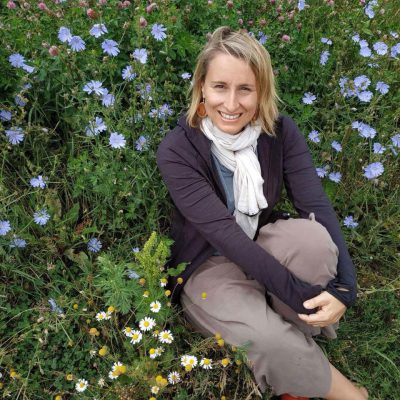
Renee Martyna
Maybe the most seminal experience of my life.... Class Afloat was the point at which there is now a ‘before’ and ‘after’. Inspired me toward a career with the UN and now, a passion project working with global knowmads. Grateful to my fellow floaties!
Renee Martyna, Class Afloat Alumni(2/3)
Renee Martyna
Maybe the most seminal experience of my life.... Class Afloat was the point at which there is now a ‘before’ and ‘after’. Inspired me toward a career with the UN and now, a passion project working with global knowmads. Grateful to my fellow floaties!
Renee Martyna, Class Afloat Alumni(3/3)